
This replaces the code cameraAPI2 SENSOR_COLOR_TRANSFORM1 and SENSOR_COLOR_TRANSFORM2 with that of pixel 3 (works for the creation of DNG images). Some versions allow users to use custom values for each colour channel (Crimson Red, DarkGreen, Light Green, Blue). Some versions support import/export of .xml or .gca configuration files. Since different users use their phones differently and the hardware also varies a lot, you should test this feature to see if it’s a good fit for your hardware and the way you use your camera.
- See ROM, flash memory, Android recovery image and Android rooting.
- A ROM in terms of the Android OS is the OS interface, including apps and firmware that have been loaded into the this link read-only memory of the device.
- You could directly get the boot and vendor_boot.img files from here without downloading the firmware.
Generally, a phone with stock Android can see updates to the latest versions of Android quickly, because the phone’s manufacturer doesn’t need to make many software changes. However, this does not guarantee every phone will always have the latest version.
- You can try GCam Go if regular GCam doesn’t work for you.
- In this article, you will learn what is Android ROM and firmware, how to backup Android ROM and firmware, and a 1-click tool to backup all Android data to computer.
- As Flow notes, customizations may include a custom theme, launcher, and default apps like HTC Sense does.
- Bin Packet load Error When Flashing “Stock Firmware “ If you ever got Bin Packet Error then simply download and try flashing the firmware with this version of SPD Upgrade Tool.
There are many homebrew projects for various devices, which often unlock general-purpose computing functionality in previously limited devices (e.g., running Doom on iPods). As of 2010[update], most portable music players support firmware upgrades. Some companies use firmware updates to add new playable file formats (codecs).
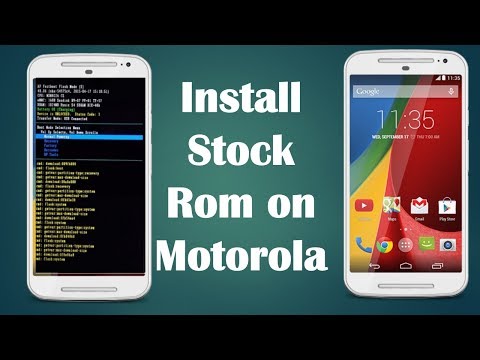
You can always check out the XDA forums for instructions for your specific device. Users can now reboot their devices to recovery, in order to wipe device memory and storage. Each device has a specific key combination, which when pressed during boot will take them to the recovery console. Here users should wipe cache, dalvik cache and factory reset their device, which essentially implies cleaning apps and existing firmware. Secondly, users must choose a Custom ROM to install to your device, depending on the features they would want to have with that ROM.
